

Exploring Japan Through My Blog Journey

Japan has a way of turning small moments into memories that stay with you. A quiet walk under red torii gates. A warm bowl of ramen after a long train ride. The soft sound of a station melody before the doors close. These are the kinds of details that made me fall in love with Japan, and they are the reason I wanted to create a blog in the first place.
A blog gives that love a home. It lets me collect not only the big travel highlights, but also the tiny observations that make Japan feel so special. This journey is not only about visiting famous places. It is about learning, noticing, respecting, and sharing Japan in a way that feels honest.

Why Japan became the heart of my blog
My love for Japan did not start with one single place. It grew through many small interests that slowly connected.
Japanese food was one doorway. Sushi, ramen, tempura, onigiri, matcha desserts, and simple set meals all tell a story about care and seasonality. Even a small convenience store snack can feel thoughtfully made.
Culture was another doorway. Japan carries tradition into daily life in a way that feels natural. Shrines sit near modern stations. Kimono shops stand beside cafés. Seasonal festivals still bring people together. There is a strong sense that the past has not disappeared. It continues to live beside the present.
Then there is the beauty of movement. Japan’s trains make travel feel possible and exciting. One day can begin in a busy city and end near mountains, rice fields, or the sea. That freedom makes blogging easier because every route can become a story.
What keeps me writing is the feeling that Japan rewards attention. The more carefully I look, the more I find.
A blog helps me slow down enough to notice:
The design of a train ticket
The way people queue calmly
The sound of crows near a temple at sunset
The seasonal packaging in a shop
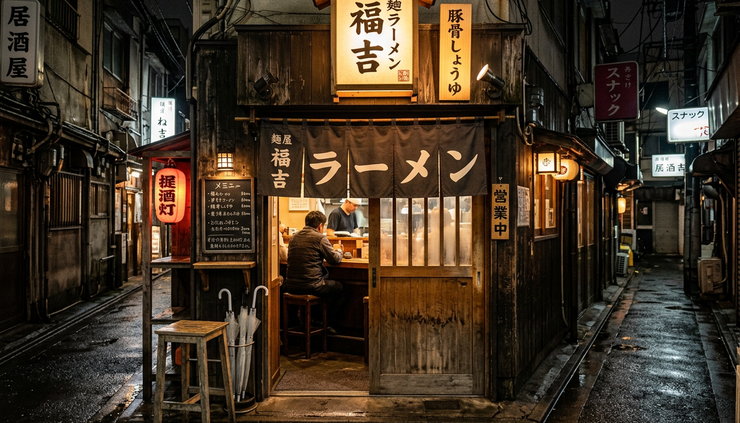
The handwritten menu outside a small restaurant
The first glimpse of Mount Fuji from a train window
These details may seem small, but they make a post feel alive.
Finding my own voice as a Japan blogger
Starting a blog can feel scary because so much has already been written about Japan. Tokyo guides, Kyoto itineraries, food lists, and cherry blossom posts are everywhere. At first, that can make the idea of writing feel pointless.
But a blog does not need to be the first to cover a topic. It needs to feel personal, useful, and clear.
My voice as a Japan blogger comes from asking simple questions:
What did I notice that surprised me?
What would I tell a friend before visiting this place?
What did I misunderstand at first?
What made this experience feel meaningful?
What practical detail would make the trip easier?
Those questions help turn a basic travel post into something more human.
For example, a post about Kyoto can easily become a list of temples. But a more personal post might focus on how to plan a quiet morning in Kyoto before the popular sites become crowded. A post about Tokyo can list neighbourhoods, but it can also explain how each area feels different when walking, eating, shopping, or taking photos.
The strongest blog posts often come from honest experience. If a place felt confusing, I can say that. If a famous spot was beautiful but very busy, I can write that too. Readers do not need perfection. They need clear expectations.
The places that keep inspiring me
Japan is full of famous destinations, and many deserve their reputation. Still, each place gives a different kind of story.
Tokyo gives endless energy
Tokyo is often the first place people imagine when they think of modern Japan. It is huge, layered, and full of contrast. Shibuya has bright crossings and youth culture. Asakusa offers old streets, temple gates, and traditional snacks. Ueno has museums, parks, and a relaxed pace. Shimokitazawa feels creative and casual, with secondhand shops and small cafés.
For a blog, Tokyo is ideal because one city can support many angles. Food, fashion, art, transport, anime culture, quiet gardens, architecture, and daily life all fit naturally.
The challenge is to avoid writing about Tokyo as if it is only lights and crowds. Some of my favourite Tokyo moments are quiet ones. A slow breakfast near a local station. A walk along a residential street. A small shrine tucked between apartment buildings. Tokyo is exciting, but it is also full of calm corners.
Kyoto teaches patience
Kyoto invites a slower way of looking. Its temples, gardens, teahouses, and old lanes are not places to rush through. The best Kyoto posts often come from a patient mood.
Writing about Kyoto also means writing with respect. Many temples and shrines are active spiritual places, not just photo spots. A blog can help by reminding visitors to move quietly, follow signs, avoid blocking paths, and think before photographing people.
One useful approach is to write about Kyoto by time of day. Early morning walks, midday breaks, late afternoon gardens, and evening streets each reveal something different. This keeps the post practical while still allowing room for feeling.
Nara brings history close
Nara feels approachable and ancient at the same time. The deer are famous, but the city is much more than that. Large temple grounds, old pathways, and open park spaces make Nara a good place to understand Japan’s early history in a simple, physical way.
A blog post about Nara can balance fun and care. The deer are charming, but they are still animals. Writing about how to behave around them is useful and respectful. Posts like this show that travel blogging is not only about beauty. It can also guide better behaviour.
Hokkaido and Okinawa show Japan’s range
Japan is sometimes described through Tokyo and Kyoto alone, but the country has far more variety.
Hokkaido brings wide landscapes, snowy winters, flower fields, seafood, and open roads. Okinawa has island culture, blue seas, different food traditions, and a distinct history. Writing about these regions helps a blog show Japan as a country with many climates, voices, and textures.
That range keeps the blog journey fresh. There is always another season, region, dish, or custom to learn about.
Turning travel moments into blog posts
A good Japan blog does not need expensive equipment or a perfect plan. It needs attention, structure, and consistency.
When I think about turning an experience into a post, I usually begin with notes. I write down place names, train stations, meals, prices when useful, and small impressions. Memory fades quickly, especially during travel, so notes matter.
Photos also help, but they should support the story rather than replace it. A photo of a temple is nice. A note about the sound of gravel underfoot makes the memory stronger.
A helpful post usually includes:
Where the place is
How to get there
What the experience feels like
What to eat or try nearby
What to avoid or prepare for
Who might enjoy it most
A realistic amount of time to spend there
That structure works for many kinds of posts, from neighbourhood guides to food stories.
Practical details build trust. If a station has several exits, naming the useful exit can save someone stress. If cash is helpful at a small shop, saying so is better than assuming every card will work. If a place asks visitors not to take photos, that detail belongs in the post.
Blogging about Japan also means checking names carefully. Japanese place names can have similar spellings in English, and one wrong station name can confuse a reader. I try to keep names simple, accurate, and easy to search.

Writing about Japan with respect
Loving Japan does not mean treating it like a fantasy. It is a real country where people live, work, study, raise families, and deal with ordinary pressures. A thoughtful blog should remember that.
Respect starts with language. I try not to describe everything as strange or weird just because it is different from what I know. It is better to explain what I observed and, when possible, learn the reason behind it.
Respect also means knowing when not to take a photo. Some restaurants, shops, shrines, and neighbourhoods prefer privacy. If a sign says no photography, the answer is simple. Put the camera away.
There are also manners that visitors should learn before travelling. A blog can gently explain them without sounding strict.
For example:
Speak softly on trains
Stand to one side on escalators where local custom suggests it
Do not eat while walking in areas where it causes mess
Sort rubbish properly when bins are available
Follow shrine and temple signs
Avoid touching private property for a photo
These details might seem basic, but they shape the travel experience. They also show care for the places being written about.
A respectful blog does not have to be serious all the time. Joy belongs in travel writing. Excitement belongs there too. The key is to combine enthusiasm with awareness.
Building a blog that grows over time
A blog journey does not need to begin with a perfect website, perfect photos, or a long list of destinations. It can begin with one post.
The first post might be about why Japan matters to me. The next might cover a favourite food, a dream itinerary, or a memory from a past visit. Over time, those posts start to form a map of interests.
I like to think in simple content groups:
Travel guides
Food stories
Culture notes
Personal reflections
Neighbourhood walks, transport tips, weekend routes, seasonal plans
Ramen shops, convenience store finds, regional dishes, café visits
Shrine manners, festivals, language learning, traditional crafts
First impressions, travel lessons, favourite quiet moments
This mix keeps the blog balanced. Practical posts help people plan. Personal posts help them connect.
Consistency matters, but it should feel realistic. A weekly post is great if life allows it. A monthly post is still valuable if it is thoughtful. The goal is not to rush content. The goal is to keep returning to the subject with care.
A blog can also grow through better observation. Over time, I learn what to photograph, what to note, and what questions to answer. I learn to write clearer introductions. I learn to choose headings that guide the reader. I learn that simple writing often works best.
The joy of sharing Japan with others
The best part of writing about Japan is the chance to share excitement. Someone might read a post and try a food they never considered. Someone might visit a smaller neighbourhood instead of only the famous stops. Someone might learn one polite phrase before arriving.
That is a small but meaningful exchange.
Blogging also keeps my own love for Japan active. Even when I am not travelling, I can study maps, read about regional food, practise Japanese words, organise photos, and plan future stories. The blog becomes a bridge between memories and future dreams.
There is no single correct way to write about Japan. Some blogs focus on luxury ryokan stays. Some cover anime pilgrimages. Some teach language. Some follow trains across the country. Some record quiet personal essays. The best path is the one that feels honest enough to continue.

My next step in this blog journey
Exploring Japan Through My Blog Journey is more than a title to me. It is a reminder to keep looking closely, keep learning, and keep writing with respect.
I want this blog to become a place for travel notes, cultural discoveries, food memories, and honest reflections. I want it to celebrate Japan without flattening it into simple images. I want each post to feel useful, warm, and real.
The first step is simple: choose one memory, one place, or one question, then write it clearly. A blog grows from there. Japan offers more than enough beauty and meaning to keep the journey going, one post at a time.
Comments